Introduction
When it comes to serpents in Australia, two of one of the most notorious varieties are the Eastern Brown Snake and the Tiger Snake Both are extremely venomous and can present severe risks to human beings, specifically when they are young and less skilled. In this short article, we're diving right into the differences between child Eastern Brown Snakes and baby Tiger Snakes, providing a comprehensive review that includes their environments, actions, appearances, and a lot more. Recognizing these crucial distinctions is not just academically fascinating; it is essential for safety and recognition dugite snake in areas where these reptiles are prevalent.
Baby Eastern Brown Snakes vs. Child Tiger Snakes: Trick Distinctions Explained
Overview of Child Eastern Brown Snakes
The child Eastern Brown Serpent (scientific name: Pseudonaja textilis) is one of one of the most hazardous snakes in Australia because of its powerful tiger snake bite venom and aggressive nature. Recognizing its qualities can be life-saving.
Physical Qualities of Infant Eastern Brown Snakes
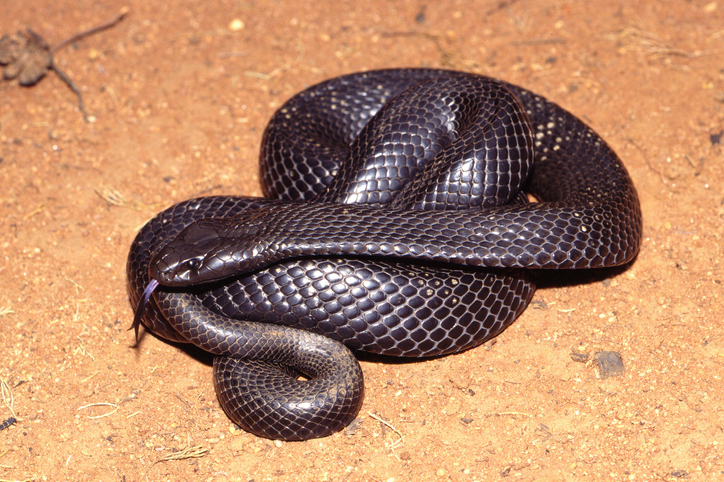
Baby Eastern Brown Snakes generally measure around 20-- 30 cm at birth. They have a slim body with smooth ranges that might appear shiny. Their pigmentation differs from light brown to dark brownish or even blackish tones.
- Coloration: Normally lighter than grownups, children might exhibit unique patterns or markings. Head Shape: They have a slightly wider head contrasted to their necks.
Habitat of Infant Eastern Brown Snakes
These serpents favor a range of habitats consisting of city areas, grasslands, timberlands, and even coastal areas. They thrive where there suffices cover and ample food supply.
- Urban Areas: Commonly found in gardens or parks. Natural Habitats: Frequently occupy bushland near agricultural lands.
Behavioral Qualities of Child Eastern Brown Snakes
Baby Eastern Browns are recognized for their quick reflexes and defensive habits. When threatened, they will usually act aggressively.

- Defensive Posture: Puffing up their bodies while hissing. Speed: Incredibly fast for both evasion and assaulting prey.
Venom Strength of Infant Eastern Brown Snakes
The poison of a baby Eastern Brown Snake is extremely powerful. It includes neurotoxins that can result in paralysis or even death if untreated.
Symptoms of Eastern Brown Serpent Bite
- Pain at the bite site Nausea Confusion Difficulty breathing
First Aid for Snake Bites from Infant Eastern Brown Snakes
If bitten by an infant Eastern Brown Serpent, instant first aid is crucial:
Call emergency services immediately. Keep the victim calm; motion increases venom spread. Apply a stress plaster over the bite website to decrease venom transmission. Immobilize the impacted limb.Overview of Child Tiger Snakes
On the various other hand, we have the baby Tiger Serpent ( Notechis scutatus), which also lugs large risks because of its venomous bite and variable temperament.
Physical Qualities of Infant Tiger Snakes
Typically birthed around 20-- 30 centimeters long too, baby Tiger Snakes have unique banding patterns along their bodies that can differ dramatically in color from olive environment-friendly to black.
- Coloration: The particular bands give them their name; nevertheless, some may show up much more uniformly colored. Body Shape: Even more durable than the slender Eastern Browns.
Habitat of Infant Tiger Snakes
Tiger snakes prefer seaside areas but can also be located inland near swamps or wetlands where they search for amphibians and fish.
- Wetlands: Their main environment because of bountiful food sources. Coastal Areas: Typically seen basking on rocks near water bodies.
Behavioral Characteristics of Baby Tiger Snakes
While normally less hostile than their eastern counterparts when young, infant Tiger Snakes can still position substantial risk when collared or threatened.
- Defensive Mechanisms: Known for squashing their bodies when feeling threatened. Hunting Techniques: Ambush killers that make use of stealth instead of speed.
Venom Strength of Baby Tiger Snakes
The venom from a child Tiger Serpent has neurotoxins as well but is likewise hemotoxic, impacting blood coagulation bring about serious inner blood loss if left untreated.
Symptoms of Tiger Serpent Bite
Unlike attacks from an eastern brownish snake:
- Initial pain could be accompanied by swelling. Possible blood loss at wounds or gums.
First Help for Snake Bites from Baby Tiger Snakes
Like with an eastern brownish snake bite:
Call emergency situation services immediately. Avoid movement; maintain the target still. Apply a pressure bandage above the bite location to limit blood flow. Immobilize the arm or leg while waiting for clinical assistance.Comparison Table
|Attribute|Child Eastern Brown Snake|Baby Tiger Serpent|| -------------------------------|------------------------------------|------------------------------------|| Size|20-- 30 centimeters|20-- 30 cm|| Coloration|Light/dark brownish|Olive green/black with bands|| Habitat|Urban locations & & grasslands|Coastal regions & & wetlands|| Habits|Aggressive & & defensive|Much less hostile yet will safeguard|| Venom Type|Neurotoxic|Neurotoxic + hemotoxic|| Emergency Treatment Method|Stress plaster & & immobilization|Stress bandage & & immobilization|
Frequently Asked Questions (Frequently asked questions)
What makes baby Eastern Brown snakes dangerous?
Baby Eastern Browns possess very potent poison which contains neurotoxins efficient in causing paralysis or fatality if neglected immediately. Their aggressive nature contributes to their threat as they often tend to respond defensively when approached.
Are all tiger snakes venomous?
Yes! All tiger serpents lug venom that threatens to humans; however, their temperament tends to be less aggressive contrasted to various other varieties like the eastern brownish serpent unless provoked or cornered.
How do I recognize a baby tiger snake?
A juvenile tiger snake normally has articulated banding patterns across its body which might differ in color from olive eco-friendly to dark brownish-black tones depending on its habitat area-- seaside locations frequently display more vibrant colors than inland specimens.
What ought to I do if bitten by either snake?
Call emergency services promptly! In both instances-- whether attacked by an eastern brown or tiger serpent-- keeping still and using a stress bandage above the bite mark while waiting for medical help can save lives by decreasing contaminant absorption into your bloodstream.
Can I deal with serpent attacks at home?
It's strongly advised against treating serpent attacks at home given that incorrect techniques can intensify conditions! Constantly look for expert medical interest immediately complying with any kind of believed snakebite incident!
Where do these snakes mainly live?
Baby eastern browns often tend toward metropolitan environments such as gardens while baby tiger snakes prefer swamps near seaside areas with sufficient gain access to food sources like frogs and fish!
Conclusion
Understanding the distinctions in between baby Eastern Brown Snakes and baby Tiger Snakes is not simply a scholastic workout-- it's important for safety in locations where these snakes prevail. Both types exhibit special physical traits, habits, environments, and degrees of poison poisoning that require various methods relating to emergency treatment treatment after attacks occur.
Knowing exactly how each types acts can aid minimize threats connected with encounters while boosting recognition concerning Australia's varied wild animals landscape-- a crucial part of living harmoniously within this magnificent ecosystem!
In recap, whether you're treking through bushland or taking pleasure in exterior tasks in metropolitan settings across Australia-- stay sharp! Expertise truly is power when it boils down safeguarding on your own against potential dangers hiding within our natural world!
By maintaining notified regarding varieties like Pseudonaja textilis and Notechis scutatus, you're taking aggressive actions towards ensuring not simply your very own safety yet additionally whip snake cultivating regard in the direction of these impressive animals that share our planet!